Source Pickleball and Tennis Ball Machine for Training, Exercise, and Home Use
Find 30 verified options for the pickleball and tennis ball machine designed for training, exercise, and home use. Compare specifications like ball capacity, serve speed, and battery life from suppliers in Guangdong, China.
Key considerations
Products List



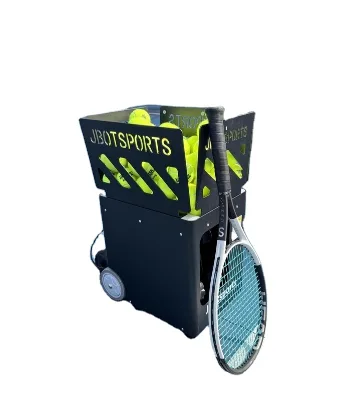


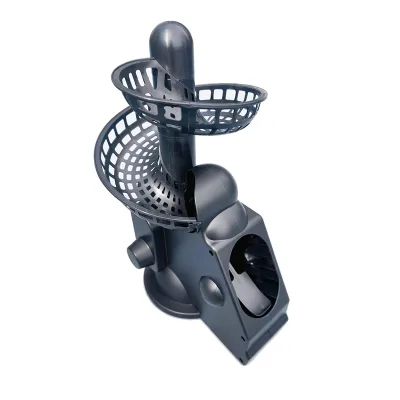


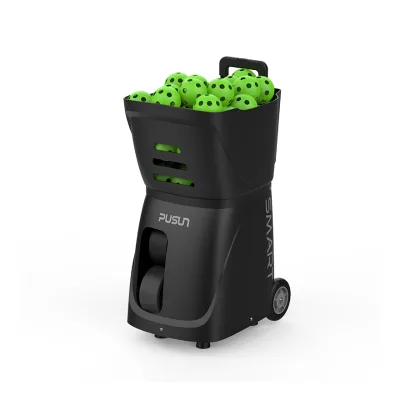


Comprehensive Sourcing Guide
Strategic Sourcing Guide for Pickleball and Tennis Ball Machines
Understanding Product Categories and Core Specifications
The market for automated ball machines in the pickleball and tennis sectors is defined by distinct operational requirements, ranging from portable, lightweight units for casual home use to heavy-duty, high-capacity systems designed for professional training facilities. When evaluating suppliers, buyers must first distinguish between the two primary categories observed in current listings: the "mini tennis net" style machines and the advanced "pickleball machine" systems with app-controlled variables.
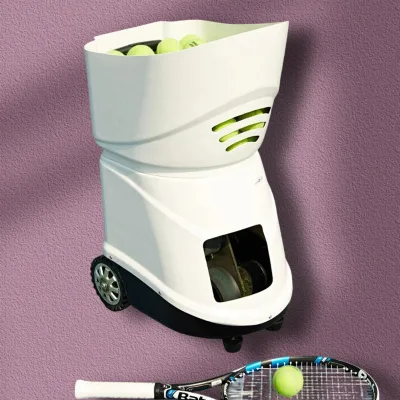
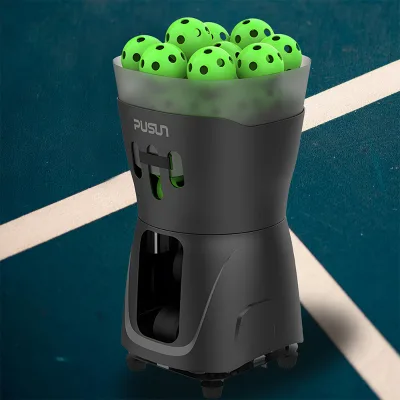
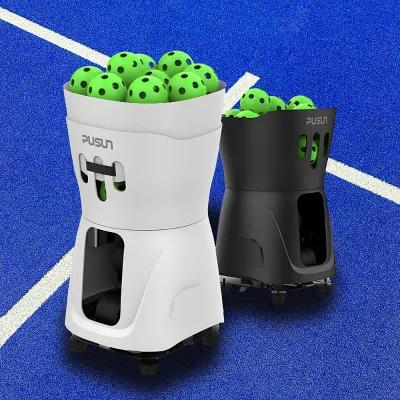
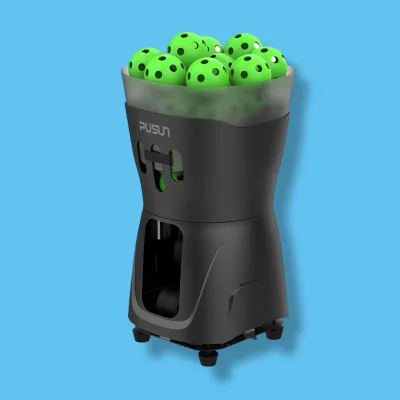
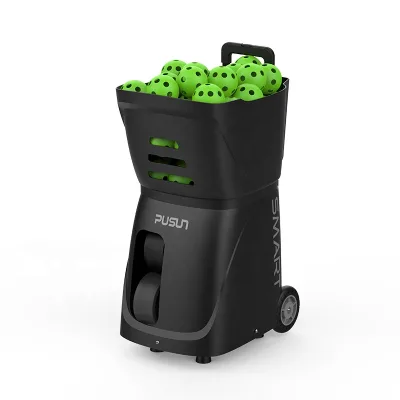
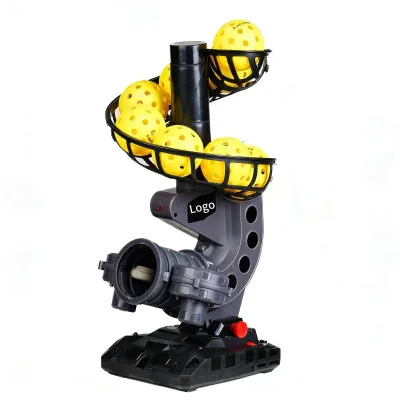
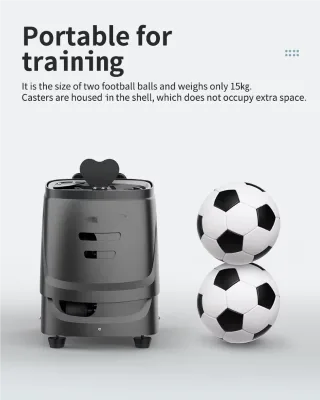
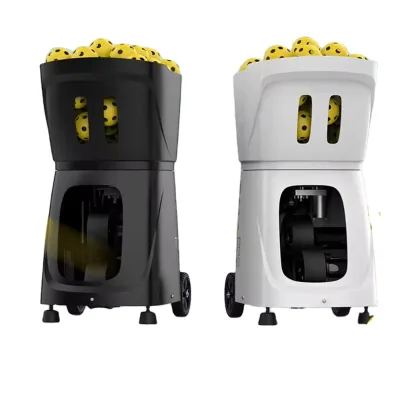
Technical specifications serve as the primary differentiator. For instance, specific models identified in current market data, such as the TS-08, utilize ABS material and feature a compact design with a single package size of 60x47x56 cm. These units often have a ball capacity of 150 balls and a single gross weight of 28.000 kg, indicating a robust build suitable for stationary training. In contrast, other models like the PP-minipro are marketed specifically as "Pickleball Machines" with a significantly smaller footprint, measuring 37x37x48 cm and weighing 12.000 kg. These units typically feature a ball loading capacity of 45 PCS, suggesting they are designed for shorter, high-intensity drills rather than extended practice sessions.
The power systems also vary considerably. Some units operate on a DC24V 10AH lithium battery with a rated power of 60W, offering a full battery life of 3-5 hours. Others may feature a 35W power rating with a battery life extending to 8-12 hours, depending on the usage intensity and specific battery configuration. The serve speed capabilities are equally critical; observed ranges span from 5-20 KM/H for entry-level or specific pickleball applications to 8-60 KM/H for high-performance tennis training. Furthermore, elevation angle control is a key technical parameter, with some models offering a manual range of 25°-75°, while others provide a more restricted 20-60 degrees, often adjustable via an application interface.
Compliance, Certification, and Safety Standards
When sourcing ball machines, verifying compliance with international safety and material standards is paramount, particularly given the electrical nature of these devices. Buyers must scrutinize the plug types and voltage ratings to ensure compatibility with their local infrastructure. The market data indicates a wide variety of plug configurations, including European, US, Brazilian, Australian, and British plugs, alongside power adapters supporting 110V/220V inputs. This variability necessitates that buyers explicitly confirm the plug type and voltage rating before finalizing an order to avoid the need for costly retrofits or the use of unsafe adapters.
Material safety is another critical compliance area. Many units are constructed from ABS plastic and metals, which must be non-toxic and durable. While some product attributes list features such as "USAPA approved," "edgeless," and "sweet spot," these claims often refer to the playing surface or racket compatibility rather than the machine itself. Buyers should not assume that a machine is certified for official tournament play unless the supplier provides verifiable documentation from the United States Pickleball Association (USAPA) or relevant tennis governing bodies. Similarly, claims of being "Eco-Friendly" or "Waterproof" require specific verification of the IP rating or material composition, as these terms can be used loosely in marketing without standardized testing data.
The presence of "wear resistant" and "anti-slip" features suggests a focus on user safety and equipment longevity, but these attributes should be validated through physical inspection or third-party test reports. For machines intended for outdoor use, the durability of the carrying bag materials—ranging from Polyester and Mesh to Oxford Fabric and Nylon—must be assessed against environmental stressors like UV exposure and moisture. Buyers should request material safety data sheets (MSDS) for plastics and metals to ensure they meet the chemical regulations of their target market, such as REACH in Europe or CPSIA in the United States.
Cost Drivers and Pricing Dynamics
The pricing structure for ball machines is influenced by a complex interplay of technical specifications, material quality, and manufacturing complexity. The observed price range in the market spans from $0 to $17,000 USD, reflecting the vast difference between simple net-based training aids and sophisticated, app-connected robotic systems. Several key factors drive these costs. First, the battery system is a major cost component; units with higher capacity lithium batteries, such as those offering 3-5 hours of continuous operation, command a premium over models with shorter runtimes.
Second, the complexity of the control mechanism significantly impacts price. Machines that offer app-controlled serve frequency settings, with intervals adjustable from 1.6 to 8 seconds per ball, involve advanced software integration and microcontroller hardware, which increases the manufacturing cost. In contrast, manual elevation angle controls or fixed speed settings result in lower price points. The material composition also plays a role; units utilizing high-grade ABS and reinforced metals for durability are generally more expensive than those using standard plastics.
Minimum Order Quantity (MOQ) is another critical cost driver. The observed MOQ range spans from 1 to 5000 units, indicating that buyers can source single units for testing or small-scale deployment, but bulk procurement may require higher volume commitments to access lower unit prices. The single gross weight of the product, ranging from 11 grams for small accessories to 28.000 kg for full machines, directly affects shipping costs. Heavy units like the 28 kg models will incur significantly higher freight charges compared to lightweight 12 kg units, which can be a substantial portion of the total landed cost for international buyers.
Typical Applications and Usage Scenarios
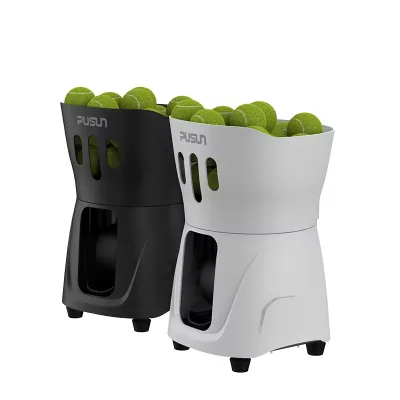
Ball machines are deployed across a diverse range of applications, from individual skill development to team training and professional conditioning. The "mini tennis net" style machines, often colored white with a solid pattern, are particularly suited for children and adults engaging in home use or casual outdoor play. Their compact size and portability make them ideal for residential settings where space is limited. These units are frequently marketed with features like "lightweight" and "portable," emphasizing ease of transport and storage.
For more serious training, the advanced pickleball and tennis machines offer specialized applications. The ability to control serve speed and elevation angle allows coaches to simulate various game scenarios, from low, fast serves to high, looping shots. This versatility supports applications such as "exercise muscle," "strength training," and "body slimming," as well as specific "tennis training" and "body building" regimens. The inclusion of "USAPA approved" features in some listings suggests these machines are suitable for official pickleball drills, making them valuable assets for clubs and academies.
The usage environment is also a key consideration. While many machines are designed for both indoor and outdoor use, the "waterproof" and "durable" attributes are essential for outdoor installations where exposure to rain and sun is inevitable. The "breathable" and "wear resistant" features of the carrying bags ensure that the equipment remains protected during transport to different locations. Whether for "home use" or professional "mechanism" training, the application dictates the required ball capacity and battery life. For example, a facility hosting multiple players simultaneously may require a machine with a 150-ball capacity to minimize reloading interruptions, whereas a single-player home setup might suffice with a 45-ball capacity.
Supplier Evaluation and Quality Control Protocols
Evaluating suppliers requires a rigorous approach to verifying the authenticity of product attributes and manufacturing capabilities. Buyers should prioritize suppliers who provide transparent information regarding the place of origin, with Guangdong and Shenzhen being prominent manufacturing hubs for these products. However, the presence of a specific location does not guarantee quality; therefore, due diligence is essential.
Quality control protocols should focus on the consistency of critical components. Buyers must verify the accuracy of the serve frequency, ensuring that the claimed 1.8-8 seconds per ball is consistent across multiple test runs. The reliability of the battery system is another critical area; suppliers should provide data on the number of charge cycles the lithium battery can withstand before degradation becomes significant. The structural integrity of the ABS and metal components should be tested for resistance to impact and wear, especially given the high-velocity nature of the balls.
When assessing suppliers, buyers should request samples to evaluate the build quality firsthand. The single package size and gross weight should be verified against the supplier's documentation to ensure that the shipping dimensions and weight claims are accurate. This is particularly important for heavy units, as discrepancies can lead to unexpected freight costs and logistical challenges. Additionally, buyers should inquire about the supplier's quality assurance processes, including any in-house testing for electrical safety, mechanical durability, and software functionality.
Long-Term Procurement and Maintenance Considerations
Sourcing ball machines is not merely a transactional purchase but a long-term investment that requires careful consideration of maintenance, support, and scalability. The longevity of the machine depends heavily on the quality of the battery and the durability of the mechanical parts. Buyers should prioritize suppliers who offer comprehensive warranty coverage and accessible spare parts, particularly for consumable items like batteries and wheels.
The software aspect of modern ball machines, such as app connectivity for setting serve frequency and speed, introduces a layer of long-term dependency. Buyers must ensure that the supplier provides ongoing software updates and technical support to maintain compatibility with evolving mobile operating systems. A machine that becomes obsolete due to software incompatibility represents a significant loss of value.
Scalability is another factor for buyers planning to expand their training facilities. The ability to source multiple units with consistent specifications is crucial for maintaining uniform training standards across different locations. Buyers should evaluate the supplier's capacity to handle large orders, considering the observed MOQ range of up to 5000 units. Establishing a long-term relationship with a reliable supplier can facilitate better pricing, priority production, and consistent quality over time.
Finally, buyers should consider the environmental impact of their procurement decisions. The "Eco-Friendly" attributes of some products suggest a focus on sustainable materials and manufacturing processes. However, buyers should verify these claims through third-party certifications or detailed material disclosures. By focusing on durable, repairable, and energy-efficient machines, buyers can reduce their total cost of ownership and minimize their environmental footprint.
Comparative Analysis of Key Product Attributes
To facilitate informed decision-making, the following table summarizes the key differences between the primary product types observed in the market. This comparison highlights the trade-offs between capacity, power, and portability.
| Attribute | Mini Tennis Net Style (e.g., TS-08) | Advanced Pickleball Machine (e.g., PP-minipro) |
|---|---|---|
| Primary Material | ABS | ABS, Metals |
| Ball Capacity | 150 balls | 45 PCS / 45+ PCS |
| Single Gross Weight | 28.000 kg | 12.000 kg |
| Single Package Size | 60x47x56 cm | 37x37x48 cm |
| Serve Speed Range | Not specified in data | 5-20 KM/H / 8-60 KM/H |
| Battery Life | Not specified | 3-5 hours / 8-12 hours |
| Control Method | Manual / Fixed | App-controlled / Manual |
| Elevation Angle | Not specified | 20-60 degrees / 25°-75° Manual |
| Target Audience | Children, Adults | Outdoor, Indoor, Home Use |
| Plug Type | European Plug | US, EU, UK, AU, BR Plugs |
This comparison underscores that the choice between a high-capacity, heavy-duty unit and a lightweight, app-connected model depends entirely on the specific training needs and logistical constraints of the buyer. By carefully analyzing these attributes, procurement professionals can select the most appropriate solution for their specific requirements.
FAQs
What are the typical ball capacities for these machines?
Ball capacities vary significantly between models, ranging from 45 balls to 150 balls. Units like the PP-minipro hold 45 balls for short drills, while the TS-08 model supports 150 balls for extended practice sessions without frequent reloading.
How long does the battery last on a full charge?
Battery life depends on the specific model and usage intensity, typically lasting between 3 to 12 hours. Some units offer 3-5 hours of operation with a 60W power rating, while others with different configurations can extend up to 12 hours.
Which serve speeds are available for training drills?
Serve speeds vary by model, with ranges observed from 5 to 60 kilometers per hour. Entry-level units may offer speeds between 5-20 KM/H, whereas high-performance machines can reach up to 60 KM/H for advanced tennis training scenarios.
Can these machines be used both indoors and outdoors?
Yes, many models are designed for versatile use in both indoor and outdoor environments. Features like waterproofing and durable materials such as ABS and metals allow for safe operation in various weather conditions while maintaining structural integrity.
What plug types are compatible with these devices?
These machines support multiple plug configurations to ensure global compatibility, including European, US, Brazilian, Australian, and British plugs. Buyers should verify the specific plug type and voltage rating, such as 110V or 220V, before ordering.
How heavy are the single packages for shipping?
Package weights vary based on the machine size and capacity, ranging from approximately 12 kg to 28 kg. The PP-minipro model weighs around 12 kg, while larger units like the TS-08 can reach a single gross weight of 28 kg.